
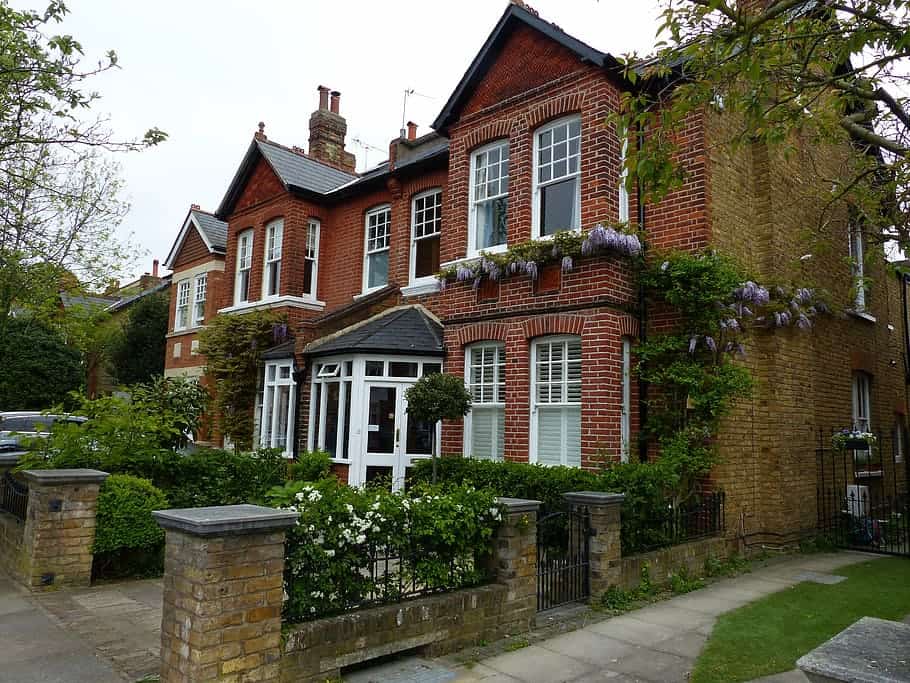
Victorian terraced homes are a defining feature of London’s residential landscape, full of character, charm, and, in many cases, a roof space that is doing nothing. If you live in a Victorian property in South London and find yourself running out of room, you are not alone. Space is one of the most common challenges facing London homeowners today, and moving to a larger property is rarely the straightforward answer it once was.
When Space Runs Out, the Pressure Builds
The London property market leaves many homeowners with a difficult choice: accept the limitations of your current home, or go through the considerable expense and disruption of moving. For families in areas like Clapham, Battersea, Balham, and Brixton, uprooting from a community they love, just to gain a bedroom or a home office, is a decision that rarely feels right.
And yet, the pressure does not go away. A growing family needs more bedrooms. Remote working has made a quiet, dedicated workspace essential. Guests arrive with nowhere comfortable to stay. The house that once felt adequate begins to feel genuinely restrictive.
What makes this particularly frustrating for owners of Victorian properties is the sense that the potential is right there, above your heads, entirely unused.
Speak To Us About Loft Conversions
The Unique Challenge of Victorian Roof Structures
Victorian terraced houses were built with steeply pitched roofs, which is both their architectural signature and a structural advantage when it comes to loft conversions. However, the roof design, chimney stacks, limited eaves height, and party wall obligations all add layers of complexity that general building contractors may not be well equipped to handle.
Without the right experience, a Victorian loft conversion can become a source of significant stress, unexpected costs, planning complications, and workmanship that fails to respect the original character of the property. Choosing the wrong contractor is a risk that many homeowners only recognise once the problems have already started.
The Best Loft Conversion Types for Victorian Terraces
Not all conversions suit every property. With over 20 years’ specialised experience working across South London, we have completed hundreds of Victorian loft conversions and understand exactly what works. Types of loft conversions vary in scope and suitability, so here is a breakdown of the most effective options for Victorian terraced homes.
Dormer Loft Conversion
A rear dormer is the most popular choice for Victorian terrace loft conversion ideas in London. It involves extending the rear roof slope outward to create a box-shaped structure, significantly increasing both headroom and usable floor space. Most rear dormers fall within permitted development rights, meaning no full planning application is required, and they can typically accommodate a double bedroom with en-suite, or a generously sized home office.
Mansard Loft Conversion
A mansard conversion alters the entire rear roof pitch to create a near-vertical wall and a flat or near-flat roof. This delivers the maximum possible space within a Victorian loft conversion and is particularly well-suited to mid-terrace and end-of-terrace homes. Because a mansard involves more substantial structural changes, planning permission is usually required, though in most London boroughs, approval for well-designed schemes is routinely granted.
Hip-to-Gable Loft Conversion
For end-of-terrace or semi-detached Victorian properties, a hip-to-gable conversion extends the sloped side of the roof outward to create a vertical gable wall. This is often combined with a rear dormer to create an L-shaped loft conversion, one of the most spacious Victorian loft conversion ideas available, often suitable for a full master suite or a self-contained studio.
Popular Victorian Loft Conversion Uses
Whatever the structure, Victorian loft conversions consistently deliver across several popular use cases:
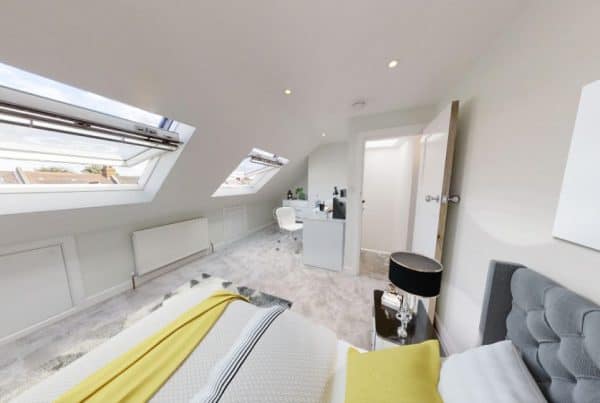
- A master bedroom with en-suite bathroom
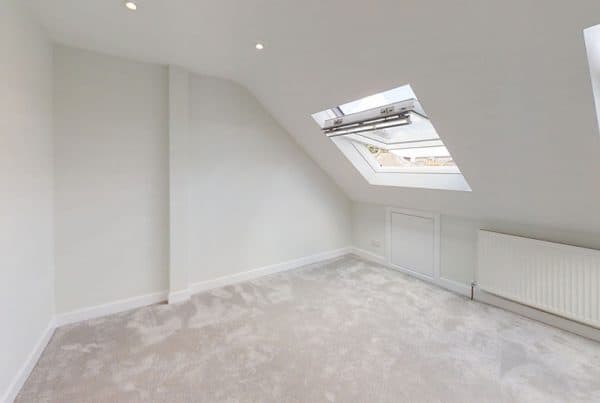
- A dedicated home office or creative studio
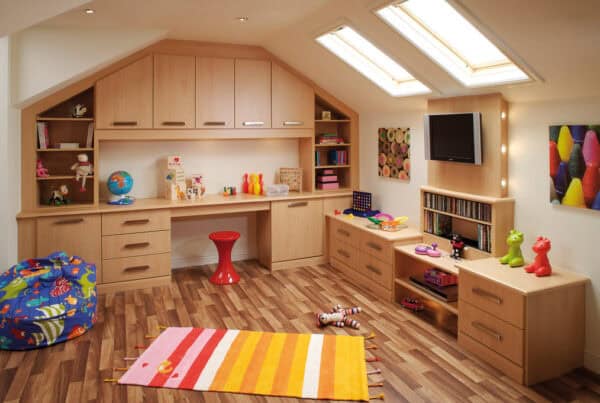
- A children’s bedroom or playroom that can evolve over time
- A guest room with built-in storage
What Does a Victorian House Loft Conversion Cost?
Victorian house loft conversion cost varies depending on the type of conversion, the specification of materials, and any additional features such as a bathroom or kitchenette. As a general guide, a rear dormer typically starts from around £40,000 upwards, while a full mansard conversion may start from £60,000 upwards. Please note that these are base estimated costs and do not reflect your final quote. Every conversion we deliver is bespoke, and pricing is subject to change based on materials, availability, and any additional elements you choose to include. Contact us for a detailed, no-obligation quotation.
What’s Included in Our Builds
We believe you should know exactly what you are committing to before work begins. Our fixed-price contracts cover the full project from structural drawings and planning applications through to final fit-out and aftercare, with no hidden charges.
- Full architectural drawings and planning or permitted development support
- Structural engineering calculations and building control sign-off
- Party Wall Agreement management where required
- Weekly quality inspections throughout the build
- 10-year warranty on all completed works
- £10 million insurance coverage for complete peace of mind
Learn more about our Victorian loft conversions to understand exactly what our process involves from first consultation through to handover.
Why Choose Clapham Construction Service
As Loft conversion specialists based in South London, we manage every project directly, there is no passing of work to third parties. Our owners are involved from the initial survey through to the final inspection, which means accountability is never diluted and communication is always clear.
We serve homeowners across Balham, Battersea, Beckenham, Brixton, Clapham, and beyond. Whether you are exploring South London Loft Conversions for the first time or ready to move forward with a project, we offer a free, no-obligation home survey to get you started.
Our Process Is Designed Around You
Most of our clients remain in their homes throughout the build, and the majority find the disruption far less significant than they anticipated. The most intensive phase lasts only a few days during the structural work, and from that point the project progresses in a controlled, methodical way. The typical timeline for a
Victorian loft conversion can run upwards of 8 weeks, depending on the scope of works. From the moment you contact us, you will receive honest, transparent guidance, no pressure, no guesswork, and no surprises. Progress is communicated clearly, and your input is welcomed at every stage.
Conclusion
A Victorian terrace loft conversion is one of the most effective ways to add space, comfort, and long-term value to your London home, without the disruption, cost, and heartache of moving. With the right specialist, the process is far more straightforward than many homeowners expect.
For a full overview of what we offer across the capital, visit our London Loft Conversions page, or get in touch today to book your free home survey. We would be delighted to show you what is possible.