Velux Loft Conversions in London
- 20 years experience
- Fixed prices agreed upfront
- 10-year warranty
- £10 million insurance
- Directly employed teams
- Free, no-obligation survey
Interested in Skylight Loft Conversions? Contact Us Today
A Velux loft conversion, rooflight loft conversion and skylight loft conversion are different names for the same type of project: converting your existing loft into a practical new room while installing roof windows into the existing roof slope.
Unlike a dormer or mansard conversion, a Velux conversion does not extend the roof outwards or significantly alter its shape. This makes it one of the simplest and most cost-effective ways to convert a suitable loft, while bringing plenty of natural light into the new space.
Clapham Construction Service has more than 20 years of experience delivering Velux and rooflight loft conversions across London. From our initial survey and design through to construction and finishing, our team can help you establish whether a Velux conversion is right for your property.
If your existing loft does not provide enough height or usable space, we can also explain whether a dormer loft conversion would be a better option.
What Is a Velux Loft Conversion?
A Velux loft conversion uses the space already available within your roof rather than increasing the volume of the roof itself.
The existing loft is transformed into a habitable room, with a strengthened floor, insulation, a new staircase, electrics and the required internal finishes. Velux roof windows are then fitted into the existing roof slope to introduce natural light and ventilation.
Because the external roof shape is retained, a rooflight conversion generally involves less structural work than a dormer or mansard conversion. This can make the construction process quicker and more affordable.
The main consideration is the amount of space already available. A Velux conversion cannot create the additional headroom that a dormer can, so your existing roof needs sufficient height and floor space for the room you want to create.
Not sure which option would suit your property? Explore our guide to the different types of loft conversions.
Is My Roof Suitable for a Rooflight Conversion?
Not every loft is suitable for a rooflight conversion. Before recommending one, we consider the existing height, pitch and construction of your roof, as well as where the new staircase can be positioned.
Existing Head Height
Head height is one of the most important considerations. As a general rule of thumb, around 2.2 metres from the top of the existing ceiling joists to the underside of the ridge provides a useful starting point, although every property needs to be assessed individually.
Some height is lost when the new structural floor and roof insulation are installed, so having more existing ridge height generally produces a more comfortable finished room.
Properties with lower roofs may still have conversion options. Our guides to shallow roof loft conversions and maximising space in lofts with low ceilings explain some of the possibilities.
Roof Pitch and Structure
A steeper roof generally provides more usable internal space than a shallow roof of the same overall height.
Traditional cut roofs commonly found on Victorian and Edwardian London properties can be particularly well suited to conversion. Trussed roofs can also be converted, although they usually require more extensive structural alterations.
Staircase Position
Your new staircase needs to arrive in an area with sufficient headroom, so its position has to be considered from the beginning of the design process.
Read our guide to choosing stairs for a loft conversion for more information.
If a rooflight conversion will not provide the space you need, we will explain the alternatives rather than trying to make the wrong type of conversion work. In many cases, a rear dormer can provide the additional headroom and usable floor area required.
Interested in Attic Skylights? Contact Us Today

How Much Does a Velux Loft Conversion Cost in London?
Velux loft conversions are generally the most affordable type of loft conversion because they use the existing roof space rather than creating a substantial new roof structure. Our existing guidance is that Velux loft conversions start from around £25,000, with the final cost depending on the property and specification.
Factors that can affect the price include:
- The size and existing structure of the loft
- The number and size of Velux roof windows required
- The design and position of the new staircase
- Structural strengthening requirements
- Adding an en suite bathroom
- Plumbing and electrical requirements
- Bespoke joinery and fitted eaves storage
- The overall level of finish
A rooflight conversion will typically cost less than an equivalent dormer because there is less structural work and the existing roofline is retained. For a broader breakdown, see our guide to average loft conversion costs or use our loft conversion price calculator. For an accurate figure for your property, contact us for a survey and quotation.
How is a Rooflight Fitted?
Installing a rooflight as part of a loft conversion involves more than simply cutting an opening in the roof.
The position, size and number of windows need to work with the existing roof structure while providing the right amount of natural light and ventilation for the finished room.
Setting the Window Into the Rafters
Roof windows are fitted into the existing roof slope and integrated with the rafters.
Where the proposed window is wider than the existing space between rafters, structural alterations may be required to create and strengthen the opening. The roof window is then installed with the appropriate flashing system to form a weatherproof connection with the existing tiles or slates.
Internally, the opening is insulated, lined and plastered to create a clean finish that forms part of the new room.
How Many Roof Windows Does a Loft Need?
There is no single number that works for every loft.
The appropriate number of rooflights depends on the size and layout of the room, the orientation of the roof, the size of the windows and how you intend to use the space.
A larger bedroom may benefit from several roof windows arranged together, while a smaller office or guest room may need fewer.
The position matters as much as the quantity. Thoughtfully placed rooflights can bring daylight deeper into the room and make a relatively compact loft feel significantly more open.
For further inspiration, take a look at our loft conversion lighting ideas.
Which Velux Windows Do We Use?
Velux offers several types of roof window suited to different layouts and requirements, including centre-pivot, top-hung and electrically operated options.
The right specification depends on factors such as the height and position of the window, how easily it needs to be reached and the required ventilation.
You can find more information about the Velux skylight windows we fit.
Velux vs Dormer Loft Conversions: Which Is Right for You?
Both options can turn an unused loft into valuable living space, but they achieve it differently.
| Velux / Rooflight Conversion | Dormer Conversion | |
| Creates additional roof volume | No | Yes |
| Changes the roofline | Minimal change | Yes |
| Additional headroom | Uses existing height | Creates additional full-height space |
| Relative cost | Usually lower | Usually higher |
| Construction | Generally simpler | More extensive structural work |
| Natural light | Excellent through rooflights | Typically through vertical windows |
| Best suited to | Lofts already offering good height and space | Lofts requiring additional headroom or floor space |
If your existing roof already has sufficient height, a Velux loft conversion may provide everything you need without the additional work involved in extending the roof.
If you want a larger master bedroom, an en suite with more standing room or substantially more usable floor area, a dormer conversion may be the better investment.
Properties with hipped roofs may benefit from a hip-to-gable loft conversion, while a mansard loft conversion can provide considerably more internal space where appropriate.
Velux Loft Conversions in Conservation Areas
A rooflight conversion can be particularly worth considering when converting a property in a conservation area.
Because the existing shape of the roof is retained, carefully positioned rooflights can have less visual impact than larger structural alterations such as dormers or mansards.
That does not mean that planning permission will automatically be unnecessary. Conservation-area controls vary, and permitted development rights can be restricted. The position, design and visibility of roof windows may also affect what the local authority will accept.
Where required, conservation-style roof windows can provide a lower-profile appearance that is more sympathetic to traditional properties.
Read our guide to loft conversions in conservation areas for more information.
Our team can also assess the planning requirements for your property as part of the design process. Find out more about our loft design service.
How Long Does a Velux Loft Conversion Take?
Velux loft conversions are generally quicker to construct than more structurally involved conversion types because the existing roof shape is retained.
The exact programme depends on the size and complexity of the project, structural requirements, staircase design, number of rooflights and whether features such as an en suite are included.
Planning requirements can also affect the overall project timeline before construction begins.
Once we have surveyed your loft and established the required specification, we can provide a clearer programme for your individual project.
Get Your Loft Skylight Installed Today


Want some friendly advice?
Contact Us Today For Skylight Loft Conversions

Skylight Conversion
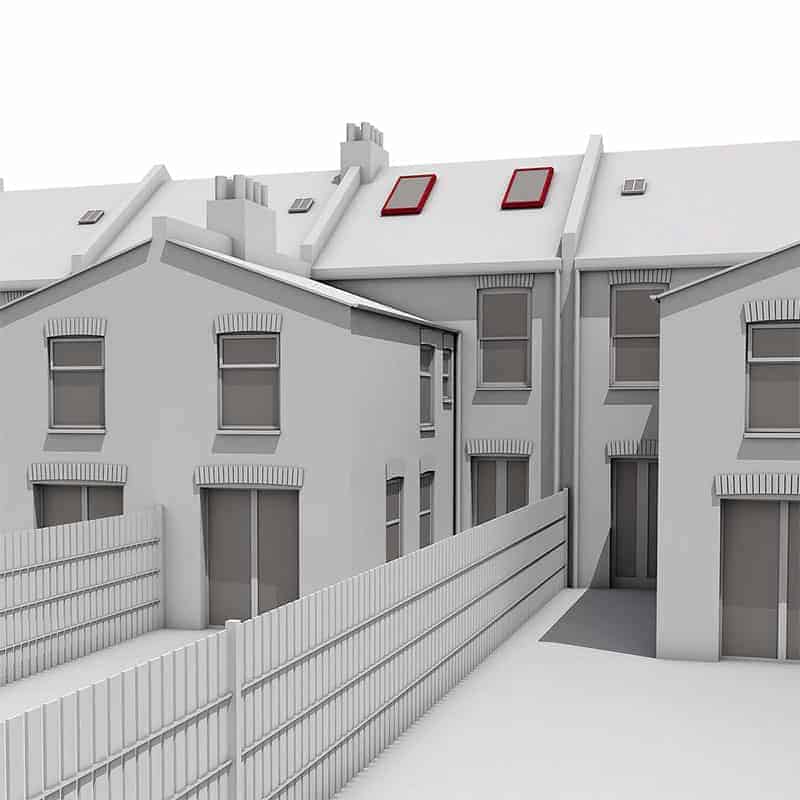
A Skylight or ‘Velux’ loft conversion is one of the simplest conversion types to build. As the roof of the property is not altered it is normally possible to avoid planning permission. A great way to increase space at lower cost.
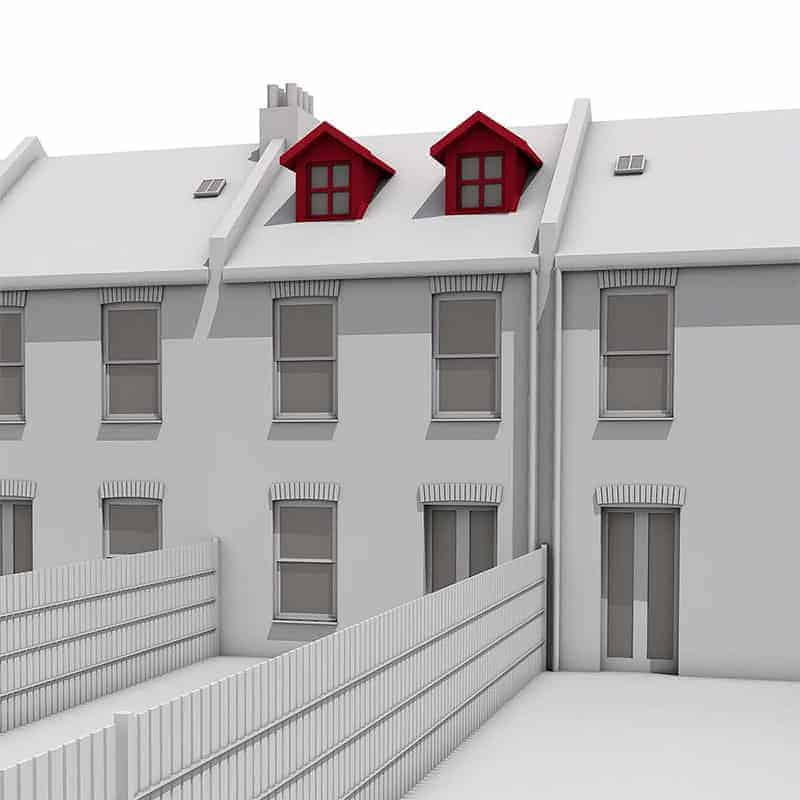
Two Window Dormer
Often found on existing homes built 100 years ago and sometimes requested by the planning officers. This conversion provides a surprising amount of additional head room and can be a stylish way to add a loft conversion.
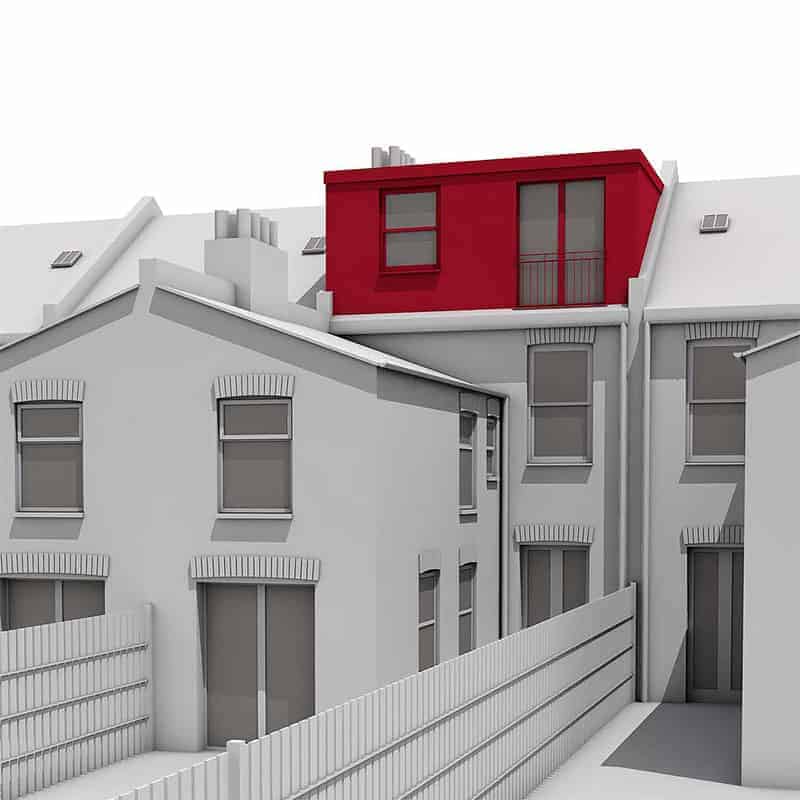
Dormer Conversion
This is one of the most popular types of loft conversion. It provides a large amount of additional space up to 60 Cubic metres and really good head height. It also gives additional design potential such as Juliet Balcony, floor to ceiling glass and roof lights.
Hip to Gable & Rear Dormer
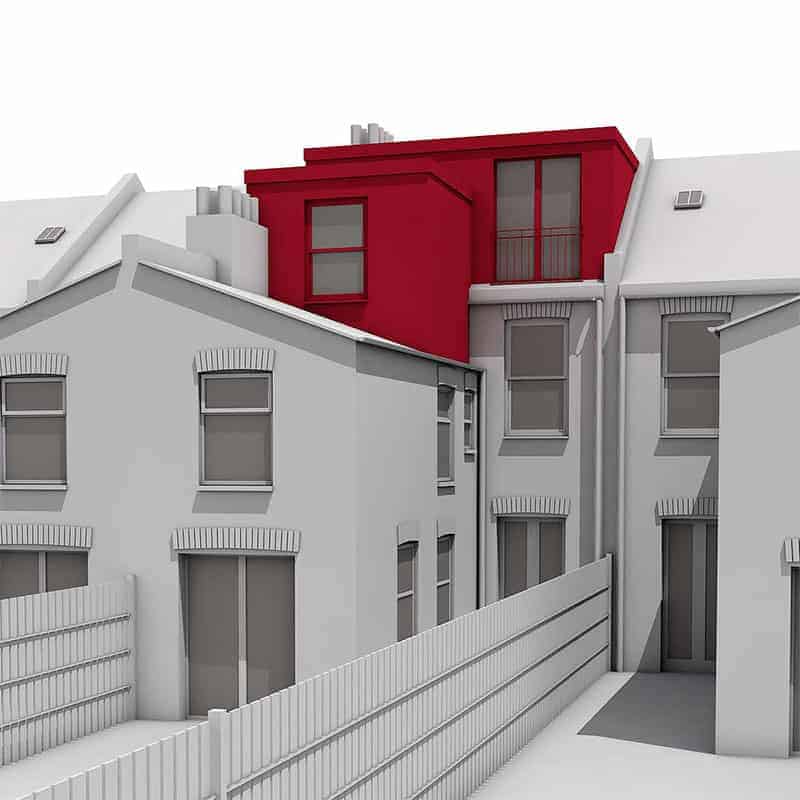
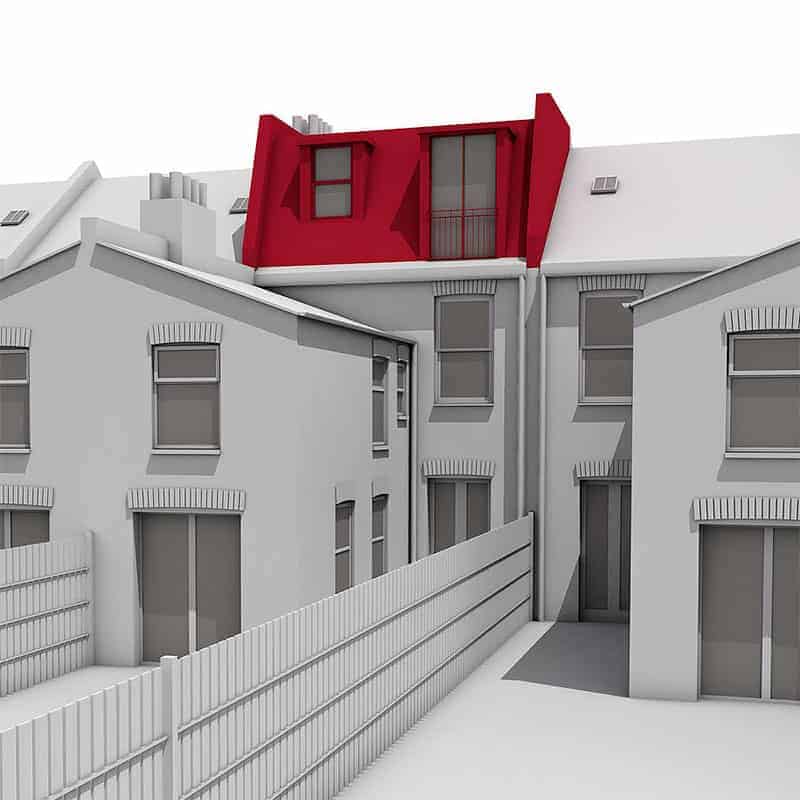
As the title states, the side sloping roof has been raised , normally in brick, and allowed us the head height and structure to add a rear dormer.

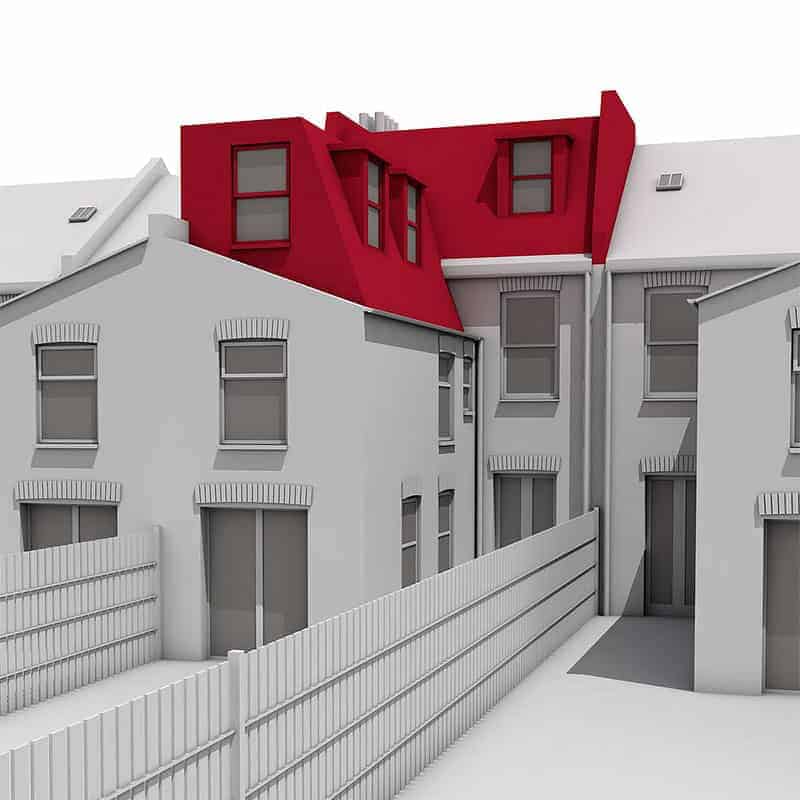
Hip to Gable
This is a simple conversion as shown in the image as all we have done is change the side sloping roof and raised this side in brick, which turns a low roof, with low head height into a workable space for any combination of conversion.
L – Shaped Mansard
As with the L-Shape Dormer, the L-Shape Mansard will add a larger amount of space with multiple design options by using the roof of the rear addition. Planning permission is required for this type of work, but we can submit approval for Juliet Balconies and a terrace to really make this conversion special.
L-Shape Dormer
This type of loft conversion is built by joining two dormer builds together, utilising the rear addition. This results in a significantly larger space than other builds. This conversion gives options for more bedrooms in the new build, a terrace on the rear addition and spare rooms, studies or bathrooms.
Mansard Conversion
A mansard loft conversion alters the structure of a sloping roof to an angle of 72 degrees, given a unique shape as shown. Windows are fitted into the new roof almost like small window dormers. Like Dormers the Mansard conversion is usually erected to the rear of a property , but can be constructed as a front and rear mansard (double mansard) if permitted. This conversion provides a larger amount of space, effectively adding another floor to your home.
Velux Loft Conversion FAQs
What Is a Velux Loft Conversion?
A Velux loft conversion converts the existing loft into usable living space while fitting roof windows into the slope of the roof rather than extending the roof outwards.
It may also be described as a rooflight loft conversion or skylight loft conversion. Velux is a well-known manufacturer of the roof windows commonly used for this type of project.
How Much Does a Velux Loft Conversion Cost in London?
Velux loft conversions are generally the most affordable conversion type because they make use of the existing roof structure and volume.
Our current guidance is that projects start from around £25,000, although the final price depends on the property, structural requirements, staircase, number of windows, specification and whether features such as an en suite are included.
We provide a quotation based on your individual property and proposed conversion.
Do I Need Planning Permission for Velux Windows in a Loft Conversion?
Not always. Roof windows can often be installed under permitted development rights, provided the project meets the relevant conditions.
Among other requirements, the windows should generally not project more than 150mm beyond the existing roof plane. Different restrictions can apply to side-facing windows, conservation areas, listed buildings, flats and properties where permitted development rights have been removed.
Building Regulations approval is still required for the loft conversion even when planning permission is not.
How Much Head Height Do I Need for a Rooflight Loft Conversion?
Around 2.2 metres at the highest point of the existing loft is commonly used as a useful starting point when assessing suitability, although this is not a guarantee that a conversion will work.
The roof pitch, floor construction, insulation and staircase position all affect the amount of usable headroom in the completed room.
The best way to establish suitability is to have the loft properly measured and assessed.
How Many Velux Windows Do I Need in a Loft Conversion?
It depends on the size, orientation and proposed use of the room.
A larger bedroom may benefit from several roof windows, while a smaller office or guest room may require fewer. The aim is to provide good levels of natural light and ventilation without compromising the roof structure or room layout.
We determine the appropriate number and position of windows during the design stage.
Which Skylights Are Best for a Loft Conversion?
Velux roof windows are available in several configurations, including centre-pivot, top-hung and electrically operated models.
Centre-pivot windows are a versatile option for many lofts, while top-hung windows can provide a more open view. Electric or solar-powered windows can be useful where a rooflight is positioned beyond easy reach.
The best option depends on the design of the room, roof pitch and position of the windows.
Can I Add a Dormer to a Velux Loft Conversion Later?
Potentially, yes.
A property that initially has a rooflight conversion may later be suitable for a dormer, subject to the existing structure, planning requirements and Building Regulations.
If you think you may want to extend the loft further in future, mention this during the design stage so it can be considered from the outset.
How Long Does a Velux Loft Conversion Take?
Velux conversions are generally among the quickest loft conversion types because they retain the existing roof shape.
The exact construction programme varies according to the property and specification, so we provide a project-specific timeframe once the loft has been surveyed and the scope of work agreed.
Google Rating
Based on 73 reviews