
Hip to Gable Loft Conversion
Interested in Hip to Gable Loft Conversions? Contact Us Today
LOOKING FOR HIP AND GABLE LOFT CONVERSIONS IN LONDON?
Hipped roofs are most commonly found in semi-detached houses and bungalows. There are also examples of large detached properties boasting a hip to gable roof conversion, but this is less common.
The structure of the hip to gable roof conversion was an efficient design used by housebuilders after the second world war. Typical A-frame roofs will have a flat ridge line to a gable end, which uses more materials and was just wasted space. Fortunately, the construction of a hip to gable roof conversion lends itself well to a loft conversion.
A hip-to-gable loft conversion will extend your ridge up to a newly built gable. At this stage, your roof structure will look like an A-frame. It is possible to incorporate a dormer into the structure. Hip-to-gable loft conversions offer a lot of benefits, but the scheme of work is relatively intense.
This is because the old roof and structure needs to be cleared so that rafters will need to be reinforced and there is also likely to be a steel ridge beam. The calculations for a hip-to-dormer loft conversion should be done by a qualified structural engineer.


How Much Will A Hip And Gable Loft Conversion Cost?
As with any loft conversion, there is no hard and fast rule for calculating the costs of a project. There are so many aspects that can affect a design, and the work that needs to be done to convert a loft. The cost of a conversion of this nature can start from £40,000, but can be anywhere above that figure depending on your requirements. As mentioned, there are specialist materials and skills required to convert a roof structure. Everything needs to be done by professionals to ensure it passes building control. Be wary of quotes that seem too good to be true and always choose an experienced company.
The main thing to consider is the cost of materials and labour, as these will be greater for a hip-to-gable loft conversion than they would be if your property already has an A-frame roof. As mentioned, there are specialist materials and skills required to convert a roof structure. Everything needs to be done by professionals to ensure it passes building control.
What Permissions Are Needed For A Hip To Gable Loft Conversion
Hip-to-gable loft conversions are a great option because can create a great deal of additional usable space, especially if the design is done by a professional company like Clapham Construction. However, there are many considerations to be made when it comes to a hip-to-gable loft conversion.
You will need to make sure you have all of the permissions and agreements in place. For example, it is necessary to have enough headroom in the loft space and there also needs to be an area on the floor below that can accommodate a staircase. You will also need to engage a qualified structural engineer and ensure that all works comply with building regulations.
If you would like to book a consultation we can provide you with a free, no-obligation quotation.

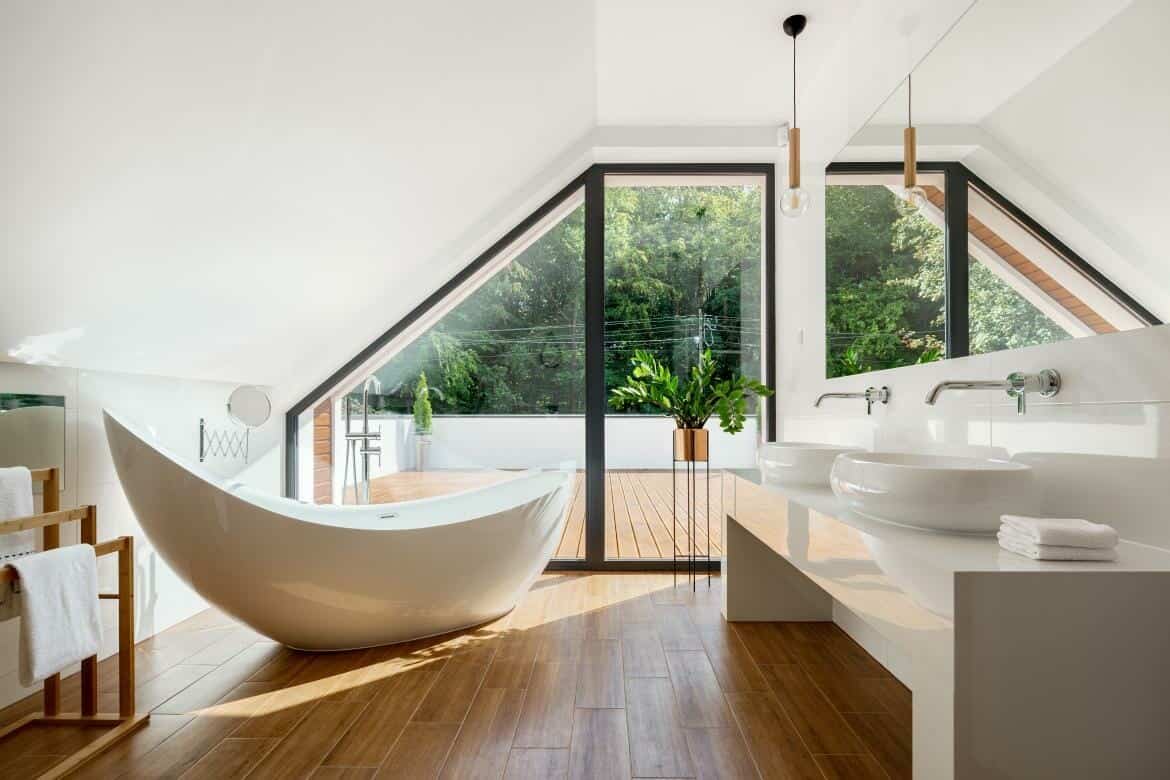
Hip To Gable Attic Conversion Interiors
What sort of finish would you like in your new loft conversion? A hip-to-gable can add a lot of extra space, which will mean greater fixtures and finishing costs because there is simply more space to fill. Furthermore, if you are adding an upstairs or en suite bathroom then you will also need to include the cost of bathroom suites and plumbing into the build cost too.
Of course, all of this can be taken care of by a professional company like Clapham Construction. However, you will also want to furnish the space once the builders have left. Talking through your ideas and plans with a professional will give you inspiration and help get the most out of your new space once it is finished.


Trustworthy Service Backed by Real Customer Experiences
What Our Clients Say
"I had a loft conversion completed by Clapham Construction Service earlier this year and couldn't be happier with the results. Paul and Dangis were on site every day and kept me fully informed throughout the entire process. Their communication, professionalism, and attention to detail were outstanding. I felt completely confident in their work from start to finish. Highly recommended for anyone looking for reliable and high-quality building services."
— Joel Prime
Industry Recognition & Quality Assurances
20 Years' Experience
Specialised in London loft conversions
10-Year Warranty
Covering all structural work
£10M Public Liability
Insurance for complete protection
We are proud to serve areas including Loft Conversions Balham, Loft Conversions Battersea, Loft Conversions Beckenham, Loft Conversions Bromley, Loft Conversions Dulwich, Loft Conversions Merton, Loft Conversions Streatham, Loft Conversions Wandsworth, Loft Conversions Wimbledon, Loft Conversions Dartford, Loft Conversions Fulham, Loft Conversions South London, Loft Conversions East London, Loft Conversions West London, Loft Conversions London
Want some friendly advice?
Contact Us Today For Loft Conversions
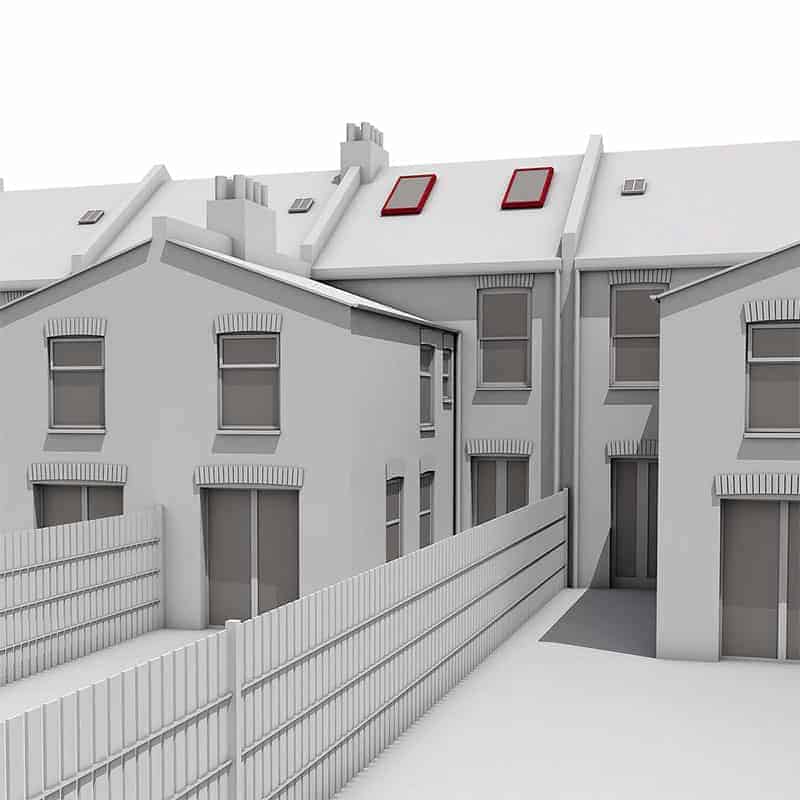
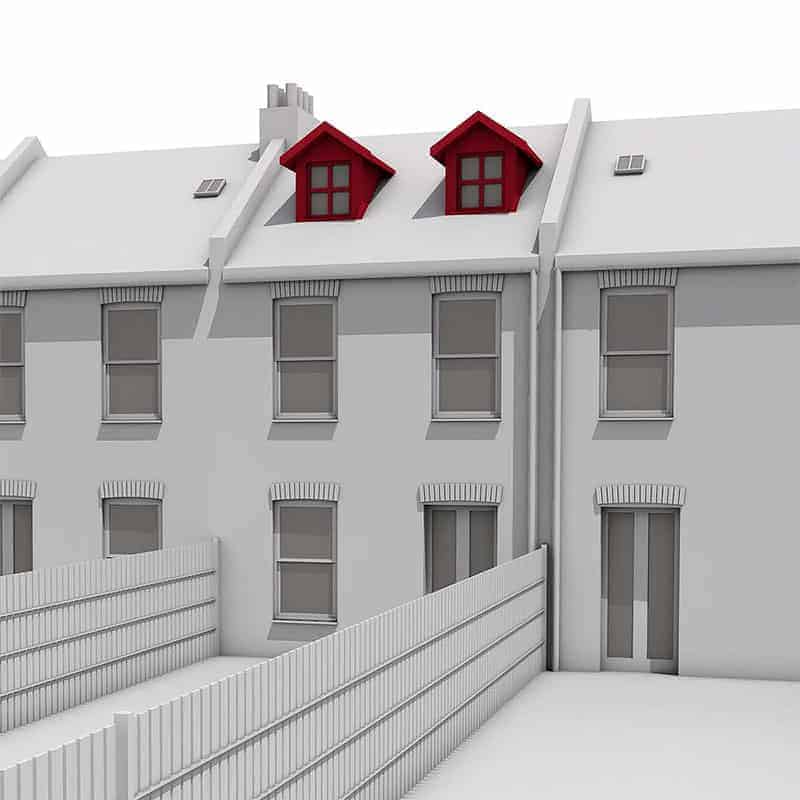
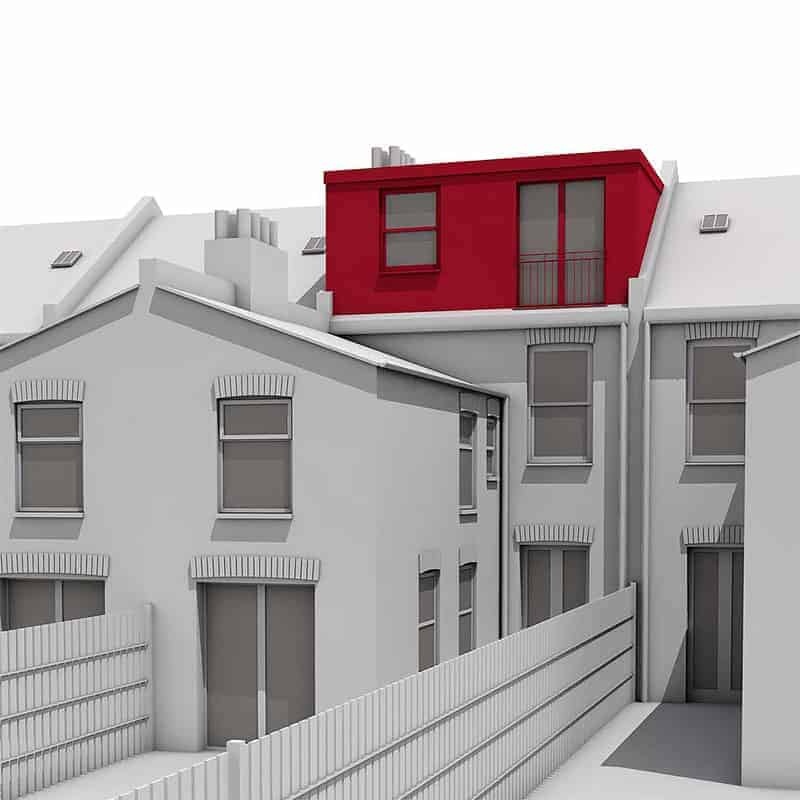

Skylight Conversion
A Skylight or ‘Velux’ loft conversion is one of the simplest conversion types to build. As the roof of the property is not altered it is normally possible to avoid planning permission. A great way to increase space at lower cost.
Two Window Dormer
Often found on existing homes built 100 years ago and sometimes requested by the planning officers. This conversion provides a surprising amount of additional head room and can be a stylish way to add a loft conversion.
Dormer Conversion
This is one of the most popular types of loft conversion. It provides a large amount of additional space up to 60 Cubic metres and really good head height. It also gives additional design potential such as Juliet Balcony, floor to ceiling glass and roof lights.
Hip to Gable & Rear Dormer
As the title states, the side sloping roof has been raised , normally in brick, and allowed us the head height and structure to add a rear dormer.
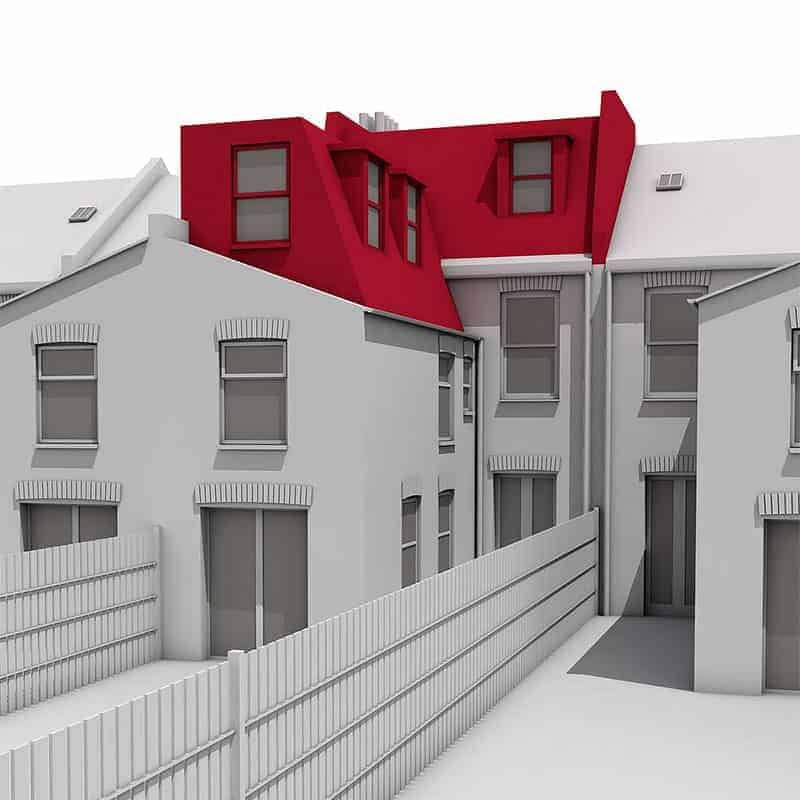
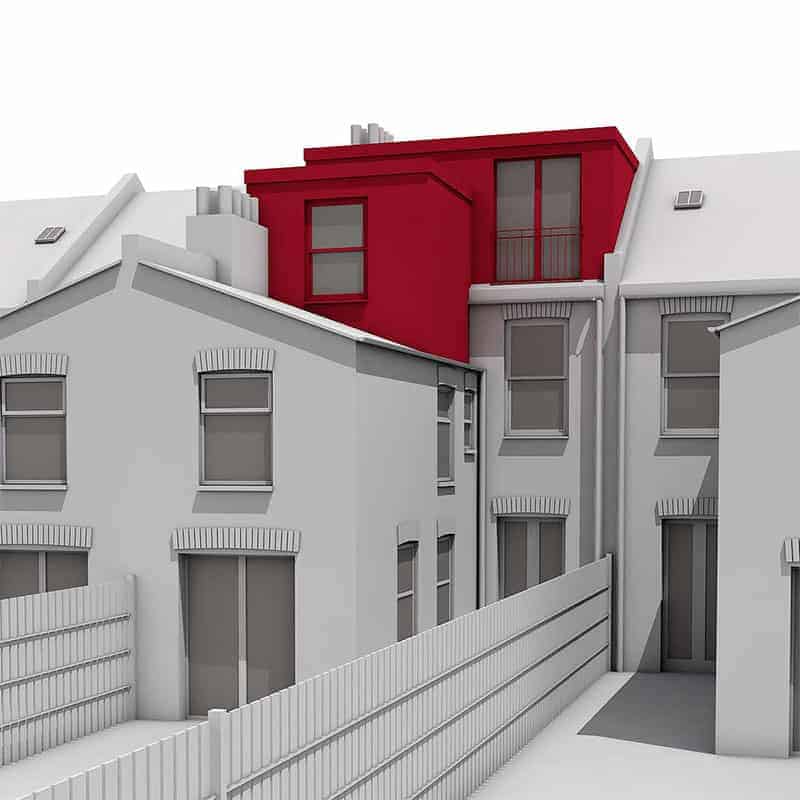
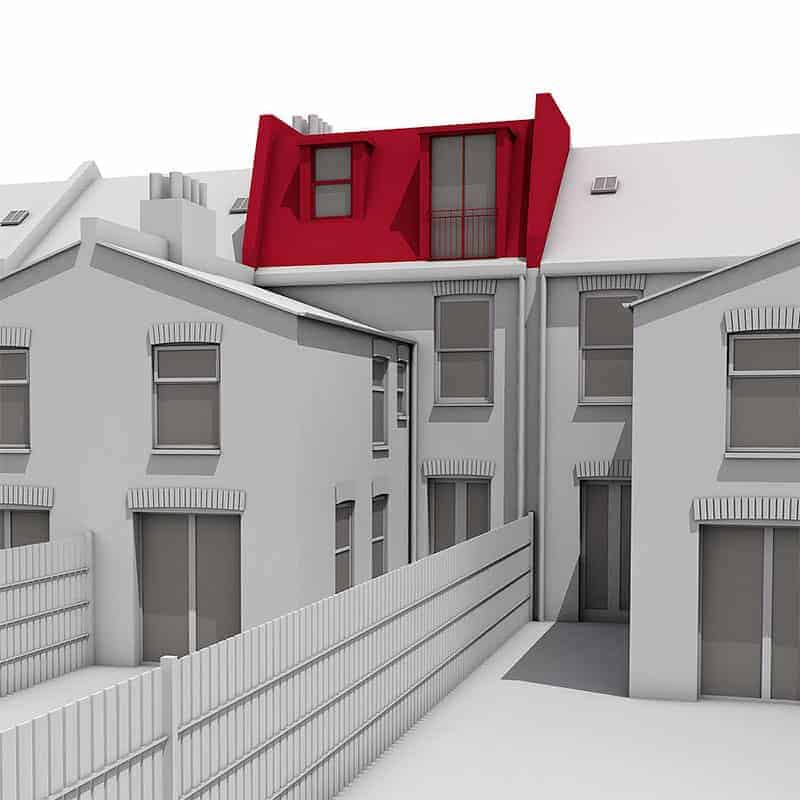
Hip to Gable
This is a simple conversion as shown in the image as all we have done is change the side sloping roof and raised this side in brick, which turns a low roof, with low head height into a workable space for any combination of conversion.
L – Shaped Mansard
As with the L-Shape Dormer, the L-Shape Mansard will add a larger amount of space with multiple design options by using the roof of the rear addition. Planning permission is required for this type of work, but we can submit approval for Juliet Balconies and a terrace to really make this conversion special.
L-Shape Dormer
This type of loft conversion is built by joining two dormer builds together, utilising the rear addition. This results in a significantly larger space than other builds. This conversion gives options for more bedrooms in the new build, a terrace on the rear addition and spare rooms, studies or bathrooms.
Mansard Conversion
A mansard loft conversion alters the structure of a sloping roof to an angle of 72 degrees, given a unique shape as shown. Windows are fitted into the new roof almost like small window dormers. Like Dormers the Mansard conversion is usually erected to the rear of a property , but can be constructed as a front and rear mansard (double mansard) if permitted. This conversion provides a larger amount of space, effectively adding another floor to your home.
HIP TO GABLE ATTIC CONVERSION - FAQS
What is a hip to gable loft conversion?
A hip to gable loft conversion involves changing the sloping (hipped) side of a property to a flat (gable) end. This type of conversion is typically done on semi-detached or detached properties and can significantly increase the space available in the loft.
How much does a hip to gable loft conversion cost?
The cost of a hip to gable loft conversion can vary greatly depending on the size of the project, the materials used, and the location of the property. On average, you can expect to pay between £40,000 and above.
Do I need planning permission for a hip to gable loft conversion?
In many cases, a hip to gable loft conversion falls under permitted development rights and does not require planning permission. However, this can depend on a number of factors including the size of the conversion and the location of the property. It’s always best to check with your local planning authority.
How long does a hip to gable loft conversion take?
The length of time it takes to complete a hip to gable loft conversion can vary depending on the complexity of the project. However, on average, you can expect the work to take between 8 to 10 weeks.
What are the benefits of a hip to gable loft conversion?
A hip to gable loft conversion can provide a number of benefits. It can significantly increase the amount of usable space in your loft, potentially adding a new bedroom or office. It can also increase the value of your property.
Google Rating
Based on 73 reviews