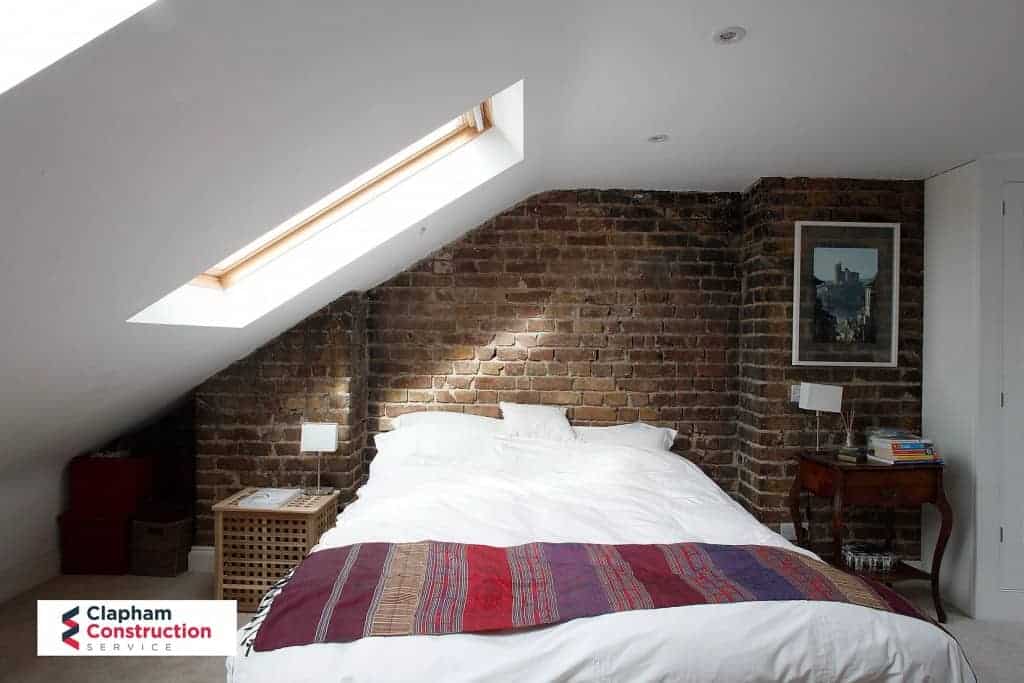
A loft conversion is one of the best ways to add value to a London home, but that value only materialises at sale if the paperwork is in order. Time and again, loft conversions that were built years ago stall a sale because the seller cannot lay hands on the right certificates. If you have a converted loft and you are thinking of selling, or you are planning a conversion and want to do it properly from the outset, this guide explains exactly what a buyer’s solicitor will look for.
Why the paperwork matters so much
When you sell, your buyer’s solicitor carries out conveyancing checks, and any structural alteration to the property is squarely in their sights. A loft conversion changes the use and structure of the roof space, so they will want documented proof that it was done legally and safely. Without it, the buyer’s mortgage lender may hesitate, the buyer may reduce their offer, or the sale may simply drag while everyone works out how to fix the gap. The room adds real value, as we cover in how a loft conversion affects home value, but only when it comes with a clean paper trail.
What a buyer’s solicitor will ask for
A solicitor will want documented proof that the work was done legally and safely, and missing paperwork is one of the most common reasons a sale stalls. Before you get your home on the market, make sure you can provide the following:
• Building regulations completion certificate: the council or approved inspector’s confirmation that the conversion passed its final inspection. This is the single most important document.
• Planning permission or a Lawful Development Certificate: either the planning consent (if the work needed it) or the council’s confirmation that it was allowed under permitted development.
• Party wall agreement (award): the signed agreement with neighbours where the conversion involved a shared wall or chimney, as required under the Party Wall Act.
• Structural calculations and drawings: the engineer’s designs showing the new floor and any steel beams were properly specified.
• Electrical safety certificate: proof that any new wiring in the loft was tested and signed off.
• Window compliance certification: confirmation that new windows meet the required standards.
The building regulations completion certificate
This is the single most important document. Every habitable loft conversion must comply with the Building Regulations, which cover structural strength, fire safety, insulation, stairs and more. When the work passes its final inspection, the local authority building control department (or an approved inspector) issues a completion certificate. That certificate is the proof your buyer’s solicitor most wants to see.
If you are planning a conversion now, make sure building control sign-off is part of the deal and that the certificate is issued in your name. Our guide to loft conversion building regulations sets out what is assessed and why it matters. At Clapham Construction every project is built to full Building Regulations standards and inspected independently each week, so the completion certificate is never an afterthought.
Planning permission or a Lawful Development Certificate
Your buyer’s solicitor will also want to know the conversion was allowed in the first place. If it was built under permitted development rights, they will look for a Lawful Development Certificate, which is the council’s formal confirmation that the work did not need planning permission. If it did need permission, for example because your home is in a conservation area or is a flat, they will want to see the planning consent and evidence the conditions were met.

Even where a certificate was not legally required at the time, having one makes a sale far smoother, which is why we always recommend obtaining a Lawful Development Certificate as a matter of course.
Party wall paperwork
Most London terraces and semis share walls with a neighbour, and a loft conversion usually involves work on or near that party wall. Under the Party Wall Act, that means a party wall agreement, or award, should have been served and signed before work began. A buyer’s solicitor may ask to see it, particularly if the conversion touches a shared chimney or wall. Our guide to party wall agreements explains how the process works and why keeping the paperwork matters.
Structural calculations and electrical certificates
Two more documents round out the file. First, the structural engineer’s calculations and drawings, which show the new floor and any steel beams were properly designed. Second, an electrical safety certificate for any new wiring in the loft, which we cover in our electrical safety guide. Any new windows should also have their own compliance certification. Solicitors increasingly ask for all of these, so keep them together with the completion certificate in one place.
What if the documents are missing?
If you have bought a home with an older conversion and the paperwork has vanished, do not panic, but do act early. Options include applying for a regularisation certificate from building control, which involves them inspecting the existing work, or taking out indemnity insurance to protect the buyer against the risk of enforcement.
Both have limitations, and indemnity insurance in particular only covers the financial risk rather than confirming the work is safe. It’s always better to have the conversion built correctly and documented from the start. It’s also worth reviewing your own home insurance, as a converted loft should be declared to your insurer.
The value of doing it right first time
The cleanest sale comes from a conversion that was properly designed, built and signed off, with every certificate filed away. That is how we work at Clapham Construction. With more than 20 years’ specialised experience across Wandsworth, Clapham and the wider South London area, we manage each project directly with our own team, hand over the full documentation pack at completion, and back the work with a 10-year warranty and £10 million insurance cover. You can see how each stage is handled on our design and build process page, and learn more about our loft specialists.
Thinking about a conversion, or want to be sure a future sale will go smoothly? Get in touch or book a free consultation and we will make sure the job is done, and documented, properly.